If you’re a Nigerian looking at Canada public health scholarships for Nigerians, 2026 feels… weirdly possible. With increasing global focus on health issues, these opportunities are more accessible than ever.
Not “easy”. Not “oh just apply and they’ll fund you”. But possible in a way that wasn’t true years ago, mostly because public health keeps getting more attention, Canadian schools are actively recruiting international students, and a lot of funding options have quietly expanded. These include scholarships. Some of these are offered by UBC for international students. There are even broader options, such as scholarships for Nigerian students covering various fields. Others come in the form of fellowships. You’ll also find research assistant jobs that essentially turn into tuition help. Plus, don’t overlook those “we’ll give you a partial award if you’re admitted” opportunities that people often forget to count.
This guide is for Nigerians specifically, but honestly most of it applies if you’re from anywhere and trying to land funding for an MPH, MSc in Public Health, Epidemiology, Global Health, Biostatistics, Health Policy, Health Promotion, Community Health, and related stuff.
I’ll break it down like this:
- What “public health scholarships” in Canada actually look like
- Real funding sources you can aim for in 2026
- Schools Nigerians usually target and what funding tends to exist there
- A practical application plan that doesn’t melt your brain
- Common mistakes (the painful ones)
- A short checklist you can copy and use
And yes. I’ll include links, plus images to keep this from feeling like a wall of text.

In the realm of public health scholarships in Canada, it’s important to note that some funding sources may have specific allowability of costs activities which could impact your financial planning.
Before we start: what counts as a “public health scholarship” in Canada?
A lot of people search “Canada MPH scholarship” expecting one big magic scholarship that pays everything.
Sometimes that exists. Usually it doesn’t.
In Canada, public health funding tends to come in layers, like:
- Admission scholarships (automatic or competitive)
- Department or faculty awards (School of Public Health or Faculty of Medicine, etc.)
- Graduate scholarships (university wide awards)
- External awards (federal/provincial, foundations)
- Supervisor funding (for thesis based programs, especially MSc)
- Teaching assistant (TA) + research assistant (RA) work (common at research universities)
- Bursaries and needs based awards (less glamorous, but they help)
Also important: MPH vs MSc matters a lot.
- MPH (course based, practicum): less likely to get full funding. You can still get awards, entrance scholarships, bursaries, and sometimes TA work, but “fully funded MPH” is not the norm.
- MSc (thesis based): more likely to be funded through supervisor grants, RAships, and graduate funding packages.
So if your #1 priority is funding, you should at least consider thesis based options like:
- Epidemiology
- Biostatistics
- Global health research degrees
- Community health research streams
Not because MPH is bad. MPH is great. But if money is tight, thesis based programs tend to be kinder, often aligning with fully funded scholarships in Canada for research-focused students.
Big Canada Public Health Scholarships for Nigerians to Know in 2026
Let’s go from the ones people talk about most to the ones that are “quiet but real”.
1) Vanier Canada Graduate Scholarships for Nigerians in Public Health (PhD)
If you’re going for a PhD in public health or a related field, Vanier is one of the biggest names.
- Level: PhD
- Value: CAD 50,000 per year for 3 years
- Competition: extremely high
- You do not apply directly as an individual in the usual way, you’re nominated by the Canadian institution.
Vanier is worth mentioning because Nigerians do win it, but it usually takes a strong academic record plus research alignment plus the institution actually wanting to nominate you.
Official page: https://vanier.gc.ca/

2) Pierre Elliott Trudeau Foundation Scholarships (PhD, social impact oriented)
Not “public health only”, but public health PhDs often fit when the work intersects with:
- health equity
- policy
- community systems
- Indigenous health
- migration and health
- global health governance
Value and benefits vary by year, but it’s a major funded scholarship plus community/leadership programming.
Official page: https://www.trudeaufoundation.ca/
3) IDRC programs (research funding, not always “scholarship”)
IDRC (International Development Research Centre) is Canada based and sometimes supports global health and development research with funding that can touch graduate students depending on project structure.
It’s not a simple “apply here” scholarship every year, but it’s a place you should know because researchers in global health often work with IDRC supported projects.
Official site: https://idrc-crdi.ca/
4) University entrance scholarships (the most common win)
This is the category Nigerians win most often. It’s not always big, but it stacks.
Usually:
- you apply to the program
- you’re automatically considered, or asked to submit one more form
- you get an award letter after admission, sometimes months later
The frustrating part is you may not see these clearly advertised under “public health scholarships”. They live under, or even top-up scholarships for Nigerian students that can supplement entrance awards.
- “graduate funding”
- “international student awards”
- “faculty of medicine awards”
- “school of graduate studies scholarships”
So yes, you will be clicking around a lot.
5) Provincial scholarships (varies by province, often limited for internationals)
Some provinces have awards mostly for domestic students. But a few programs or university administered awards can still be open to internationals depending on the details.
This is why province matters. Ontario vs Alberta vs British Columbia can feel like different planets.
Canada public health scholarships by university (where Nigerians usually apply)
I’m not ranking schools here. I’m just being practical. These are common targets, and they often have public health programs that attract international students.
University of Toronto: Public Health Scholarships in Canada for Nigerians (Dalla Lana School)”
UofT is expensive. Also prestigious. Also not the most generous for course based MPH funding. Nevertheless, they do offer:
- graduate awards
- entrance awards
- research assistant opportunities (more common on research degrees)
- external awards and scholarships through the School of Graduate Studies
Start here:
- Dalla Lana School of Public Health: https://www.dlsph.utoronto.ca/
- UofT graduate funding overview: https://www.sgs.utoronto.ca/awards-funding/
Tip: if you’re going UofT and you need heavy funding, aim for thesis based degrees, or have a plan for stacking awards + work.
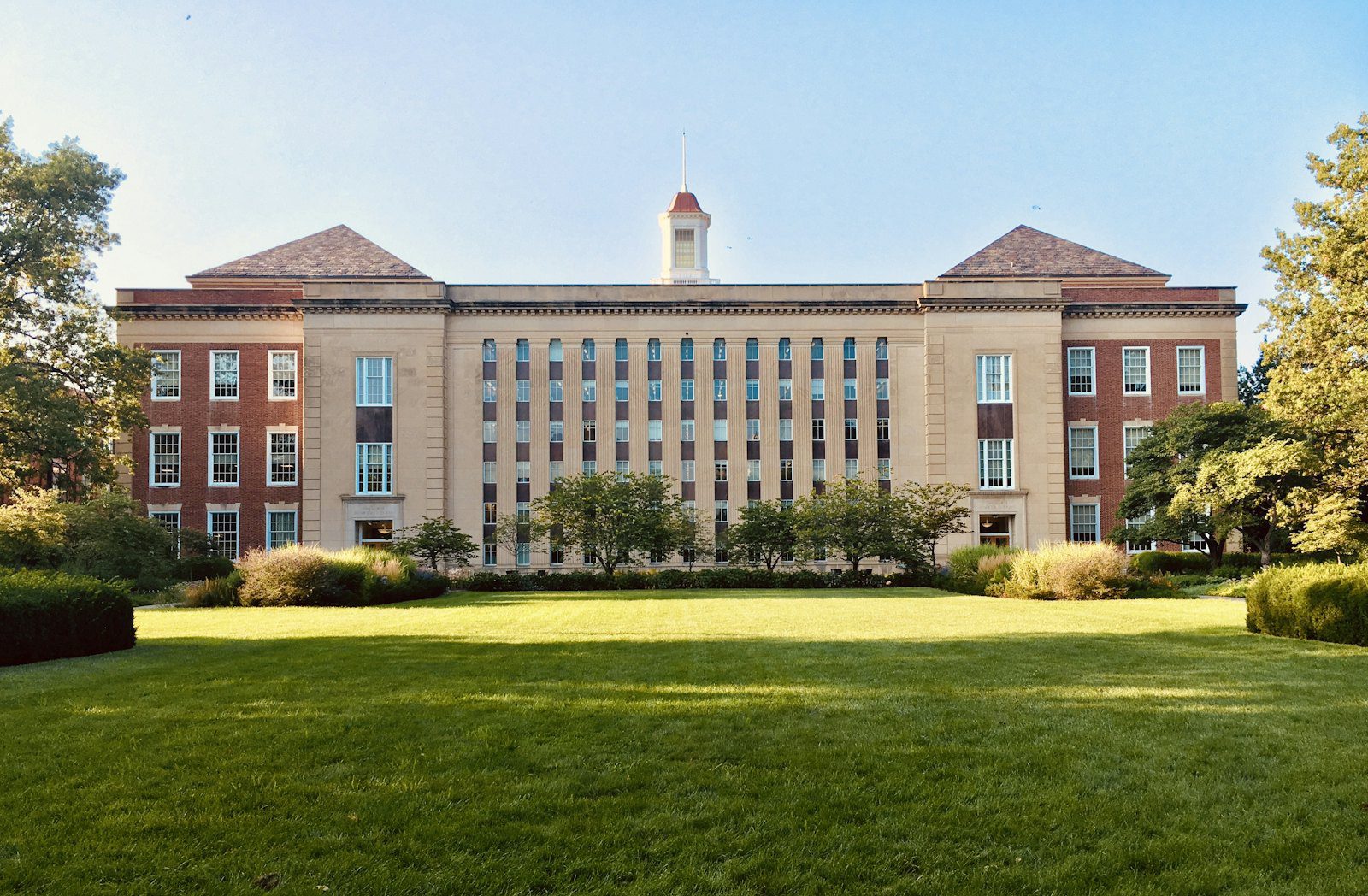
University of British Columbia (School of Population and Public Health)
UBC tends to have strong research networks and global health presence. Funding varies by program type. For similar opportunities, check out University Canada West scholarships.
- UBC SPPH: https://spph.ubc.ca/
- UBC graduate awards: https://www.grad.ubc.ca/awards
UBC is worth considering if your interests are:
- global health
- environmental health
- population health analytics
- Indigenous health and community based work (with the right approach and respect)
McGill University (Public Health and related programs)
The university offers a strong public health presence, though degrees sometimes fall under different umbrellas (e.g., epidemiology, biostatistics, global health). Explore graduate funding options here:
- McGill graduate funding: https://www.mcgill.ca/gps/funding
- McGill scholarships and awards: https://www.mcgill.ca/studentaid/scholarships-aid
While McGill can be competitive, strong academics and a clear research story can make it one of those places that truly opens doors.
University of Alberta (School of Public Health)
UAlberta is a strong option, and Alberta in general can be a bit more cost friendly than Toronto or Vancouver.
- School of Public Health: https://www.ualberta.ca/public-health/
- Funding and awards (grad): https://www.ualberta.ca/graduate-studies/funding/index.html
If you’re applying to MPH here, still look for:
- entrance scholarships
- faculty awards
- bursaries And if you’re thesis based, the supervisor funding route can be real.
University of Calgary (Cumming School of Medicine, Public Health related programs)
Calgary’s public health landscape overlaps with community health sciences and research groups.
- Graduate awards: https://grad.ucalgary.ca/awards
Calgary can be a smart “value” play depending on the program and city costs.
University of Waterloo (Public Health and Health Research areas)
Waterloo is known for strong quantitative and systems thinking. Depending on program fit, Nigerians sometimes do well here especially in analytics heavy directions.
- Graduate funding: https://uwaterloo.ca/graduate-studies-postdoctoral-affairs/funding
Western University (Schulich School of Medicine, public health and epidemiology areas)
Western has graduate funding structures and a strong research environment.
- Graduate funding: https://grad.uwo.ca/finances/index.html
University of Ottawa (bilingual environment, health systems, global health links)
Ottawa can be a great fit if you’re into policy, systems, and government adjacent public health work.
- Graduate funding: https://www.uottawa.ca/study/graduate-studies/funding
Dalhousie University (Maritime option, solid health programs)
Halifax is not the cheapest city anymore, but it can still be manageable compared to Toronto/Vancouver.
- Graduate funding: https://www.dal.ca/admissions/money_matters.html
The scholarships you should search for inside each school (keywords that work)
When you’re digging through university websites, don’t just search “public health scholarship”. Search these exact phrases:
- “graduate entrance scholarship international”
- “Faculty of Medicine graduate awards”
- “School of Public Health awards”
- “Master’s scholarship”
- “international graduate scholarship”
- “needs based bursary graduate”
- “tri agency awards” (even if you are not eligible, the page often lists other awards too)
- “graduate funding package” (especially for thesis programs)
This matters because Canadian universities love burying important stuff in PDFs and subpages that look like they were made in 2009.
Realistic Strategies for Canada Public Health Scholarships for Nigerians in 2026″
This is where people get stuck. So I’ll make it simple.
Path A: You want MPH, and you need partial funding (most common)
Your plan should be:
- Apply early (seriously, earlier than you think)
- Maximize admission scholarship chances
- Apply for internal awards after admission
- Budget for partial self funding
- Plan for on campus work (if permitted), and maybe TA work if available
- Look at cheaper provinces and cities
This is the “adult realistic” plan. Not flashy. But it works.
Path B: You want MSc (thesis), and you want a funded package
Your plan should be:
- Identify professors whose work matches yours
- Email them properly (we’ll talk about that)
- Apply to the thesis program
- Use the supervisor’s interest to strengthen admission and funding chances
- Stack with internal awards
This is the route where Nigerians most often get “funded” outcomes in Canada. For example, because grants exist, labs exist, and projects exist, the department expects to pay research students at least partly.
Path C: You want PhD, and you want major scholarships (Vanier, Trudeau, etc.)
Your plan should be:
- Start ridiculously early (like 12 to 18 months ahead)
- Build a coherent research proposal
- Build a supervisor relationship first
- Publish if possible, or at least have strong research outputs
- Apply through the institution nomination process
This path is heavy. But it’s also the one that can fully transform your finances.
How to email Canadian supervisors for public health funding (without sounding desperate)
This is where a lot of people accidentally sabotage themselves.
A supervisor is not doing you a favor by replying. And you’re not doing them a favor by “wanting to work under them”. It’s supposed to be a mutual fit. That’s the tone.
Keep it short. Specific. Human.
A simple email structure that works
Subject: Prospective MSc student (Epidemiology) interested in your work on [topic]
Email body:
- Start with 1 line intro covering who you are, what you studied and where
- Then follow up with 2 lines about their work referencing a specific paper, project or lab theme)
- Then add 2 lines on your own interests and the research you aim to pursue.
- End with a 1 line question asking if they are taking students and if funding is available
- Finally, Attach your CV. Optionally include 1 page research idea.
Avoid sending a 1,500 word autobiography. Do not paste your entire SOP. Address them by their name, not as “Dear Sir” when you know their name. More importantly, never say “I need scholarship urgently.” Everybody needs money, and they already know that. For more on crafting strong application writing, see our scholarship essay tips for African students.

What Canadian schools actually look for (especially in public health)
Public health is broad, so the evaluation is broad too. But usually you’ll be judged on:
- Academic strength (GPA, transcripts, rigor of courses)
- Evidence you can handle research or practice (projects, internships, thesis, publications)
- Clear motivation (not just “I like helping people”)
- Fit (program fit, supervisor fit for thesis degrees)
- Writing (your SOP can quietly make or break you)
- References (strong letters, not generic ones)
For Nigerians, the “fit” piece is often the easiest to improve. Because many people apply to 10 programs with the same SOP and generic statements. It shows. Quickly.
If you’re unsure how to approach potential supervisors via email, consider following this guideline for crafting an effective message that resonates with them while maintaining professionalism and clarity.
Documents Nigerians should prepare early (and I mean early)
For 2026 intake, you want these ready months ahead:
- International passport
- Official transcripts (sealed if required)
- Degree certificate or statement of completion
- CV (Canadian style, clean and readable)
- Statement of Purpose tailored to each program
- Research proposal (for thesis based programs, if requested or recommended)
- English test (IELTS/TOEFL) if required
- References (identify referees early, give them time)
- Writing sample (some programs ask)
- Proof of funding plan (sometimes needed later for study permit, but plan early anyway)
Also, Nigerian transcripts can take time. Some schools in Canada will not move your file without official documents.
So yes. Start early.
2026 timeline (simple and practical)
This is a generic map. Always confirm each program’s deadline.
12 to 15 months before (early 2025)
- shortlist programs (6 to 10 max)
- decide MPH vs MSc
- begin supervisor outreach if thesis based
- start drafting SOP and CV
8 to 12 months before
- write IELTS/TOEFL if needed
- request transcripts
- lock in referees
- finalize program list based on funding reality
4 to 8 months before
- submit applications
- apply for internal awards where possible
- continue emailing supervisors if you’re thesis based
After admission
- negotiate funding if appropriate (politely)
- apply for more awards
- plan study permit and financial documents
Common Mistakes When Applying for Canada Public Health Scholarships for Nigerians (and How to Avoid Them)
Mistake 1: Only applying to Toronto and Vancouver
Those cities are great. They are also expensive. Funding might not cover living costs. To prepare fully, use our pre-departure guide for Nigerian students.
Add options like:
- Alberta (Edmonton, Calgary)
- Ottawa
- Halifax
- smaller Ontario cities
Mistake 2: Treating MPH like a funded research degree
Some MPH students do get scholarships. However, expecting a full ride is where disappointment starts.
If you need full funding, consider thesis options or PhD routes.
Mistake 3: Submitting generic SOPs
If your SOP could be sent to any school in any country, it’s not strong enough.
Mention:
- specific courses, concentrations, practicum structures
- specific faculty and research groups (even for MPH, mention centers and themes)
- why Canada for your exact goals (without sounding like you’re escaping Nigeria, even if you are)
Mistake 4: Weak references
A “To whom it may concern” letter kills energy.
Coach your referees gently:
- remind them of your projects
- give them bullet points
- give them deadlines
- ask if they can write a strong letter, not just a letter
Mistake 5: Ignoring smaller awards
A CAD 2,000 award is not sexy. But two or three of those plus part time work plus a tuition discount can change everything.
Specific public health areas that attract funding (often)
Not guaranteed. But in Canada, funding tends to cluster around certain priorities:
- Epidemiology and disease surveillance
- Biostatistics and health data science
- Indigenous health (approach with respect and real understanding)
- Environmental health and climate impacts
- Health systems and policy evaluation
- Mental health population research
- Infectious disease modeling
- Maternal and child health interventions
- Vaccine research, implementation science
- Health equity, migration, refugee health
If your background is in medicine, nursing, or pharmacy, you can position yourself strongly in these areas. The same applies if your background is in lab science, microbiology, statistics, or even computer science.
Where to find scholarship listings that actually update
Here are a few places people check in Canada, besides university pages:
- ScholarshipsCanada: https://www.scholarshipscanada.com/
- Yconic: https://www.yconic.com/
- Universities’ award databases (varies per school)
One warning: external scholarship listing sites can be messy. Use them for leads, then confirm on the official site.
Quick note on study permits and “proof of funds”
Scholarships help with admission. However, for the Canadian study permit, you usually still need to show you can pay. Requirements change, and they depend on your situation, province, and how IRCC updates rules. Therefore, plan your proof of funds early.
So even if you get partial funding, plan your proof of funds early. Don’t wait until the last minute and start begging relatives to move money around. It’s stressful and it can create documentation issues. For instance, international students often need to pay an international student deposit before their study permit is approved. For detailed steps, refer to our Nigerian student visa guide.
IRCC official site: https://www.canada.ca/en/immigration-refugees-citizenship.html
A simple shortlist of programs Nigerians often consider (public health related)
Not exhaustive. Just common.
- MPH (Public Health)
- MPH (Epidemiology)
- MSc Epidemiology
- MSc Global Health
- MSc Biostatistics
- MSc Health Services Research
- MSc Community Health Sciences
- PhD Public Health / Population Health / Epidemiology
Your best fit depends on your background. For example:
- If you have a medical background and want policy and program leadership, MPH can make sense.
- If you have stats or math, biostatistics or epidemiology can be a strong funded lane.
- If you want NGO global work, global health programs can help. However, be careful. Some are professional degrees with limited funding.
It’s also worth noting that certain public health programs may lead to careers in areas regulated by Health Canada, such as those involving biologic or radiopharmaceutical drugs.
What to write in your Statement of Purpose (public health version)
I’ll keep this tight. Your SOP should answer:
- What public health problem do you care about, and why (real story, not drama)
- What have you done so far that proves you’re serious (work, research, community programs)
- Why this program (specific courses, practicum, research groups)
- What you plan to do after graduation (Nigeria, Canada, global, but be coherent)
- Why you are ready now (skills, maturity, direction)
Avoid:
- empty motivational quotes
- “Since childhood I wanted to help humanity”
- listing every achievement without connecting it to your goal
Make it read like a real person. Not like an immigration essay. Not like a corporate bio.
FAQ (the questions Nigerians always ask)
Can I get a fully funded MPH in Canada as a Nigerian?
Sometimes, but it’s not common. Partial funding is more common. Fully funded outcomes are more likely in thesis based degrees and PhD programs.
Is IELTS always required?
Not always. Some schools waive it if your previous degree was taught in English, but policies vary. Check the exact program page.
Can I work while studying?
International students often can, under IRCC rules. But rules can change, and your program workload might be heavy. Plan like work is a bonus, not your entire funding plan. For more on post-study options, check how to apply for a Canada work permit from Nigeria.
Should I apply through an agent?
You can, but be careful. Many people get misled. Canadian university applications are usually straightforward enough to do yourself if you’re organized.
What should I include in my Statement of Purpose for postgraduate medical training in the United States?
When crafting your Statement of Purpose for postgraduate medical training in the United States, it’s important to focus on key areas that highlight your suitability for the program and your commitment to the field of public health.
A copy and paste checklist for 2026 applicants (Nigerians)
- Decide MPH vs MSc vs PhD based on funding reality
- Shortlist 6 to 10 programs max
- Build a spreadsheet for deadlines, fees, requirements
- Draft SOP v1, then tailor for each school
- Prepare a clean CV
- Request transcripts early
- Write IELTS/TOEFL if needed
- Contact supervisors (thesis based) with a targeted email
- Apply early, not on the last day
- After admission, immediately check internal awards and deadlines
- Prepare study permit financial plan (even if funded)
Wrap up (what I’d do if I were starting this today)
If I were a Nigerian applying for public health in Canada for 2026 and I needed funding, I would do two things in parallel.
First, I’d apply to a few MPH programs I genuinely like. However, I’d only choose places where I can survive cost-wise if funding is partial. Not just chasing big city names.
Second, I’d apply to thesis based MSc programs where I can email supervisors and realistically get a funded package through research grants and assistantships.
That combination gives you options when pursuing Canada public health scholarships for Nigerians. And options is basically the whole game. For those thinking long-term, explore how to immigrate to Canada from Nigeria.
If you want, tell me your background (degree, GPA range, public health interests, and whether you prefer MPH or thesis MSc), and I can suggest a tighter shortlist and what scholarship or funding angle makes the most sense for you.
FAQs on Canada Public Health Scholarships for Nigerians
Public health scholarships in Canada typically come in layers, including admission scholarships (automatic or competitive), department or faculty awards, graduate scholarships, external awards from federal/provincial sources or foundations, supervisor funding for thesis-based programs, teaching assistant (TA) and research assistant (RA) positions, and bursaries or needs-based awards. These options collectively provide multiple avenues for funding your studies. Learn more in our guide on how to apply for study abroad scholarships from Africa.
MPH programs are generally course-based with a practicum component and are less likely to offer full funding. However, you can still access entrance scholarships, bursaries, and sometimes TA positions. MSc programs are thesis-based and tend to have more funding opportunities through supervisor grants, RAships, and graduate funding packages. If securing substantial funding is a priority, considering thesis-based degrees like Epidemiology or Biostatistics may be beneficial.
Major Scholarships and Application Details
Key scholarships include the Vanier Canada Graduate Scholarships for PhD candidates offering CAD 50,000 per year for three years; Pierre Elliott Trudeau Foundation Scholarships focusing on social impact-oriented PhDs intersecting with health equity and policy; IDRC programs that provide research funding linked to global health projects; and university entrance scholarships which are commonly awarded to international students including Nigerians.
No. The Vanier Canada Graduate Scholarship requires nomination by the Canadian institution where you plan to study. It is highly competitive and awarded based on strong academic records and research alignment with institutional priorities. Nigerians have won this scholarship but it involves institutional nomination rather than direct application.
Practical Strategies and Resources
Yes. A practical application plan includes understanding the layered nature of Canadian scholarships, applying broadly to universities actively recruiting international students, exploring both automatic admission scholarships and competitive awards, seeking supervisor-funded MSc thesis options if possible, applying for TA/RA positions early, avoiding common mistakes like overlooking partial awards, and using checklists to stay organized throughout the process.
Reliable information can be found on official university websites such as UBC’s international student scholarship pages, government scholarship portals like Vanier and Trudeau Foundation official sites, research funding bodies such as IDRC’s website, and guides tailored to Nigerian applicants that include links and resources. Staying updated with these sources helps identify expanded funding options available in 2026.
Discover more from African Base
Subscribe to get the latest posts sent to your email.