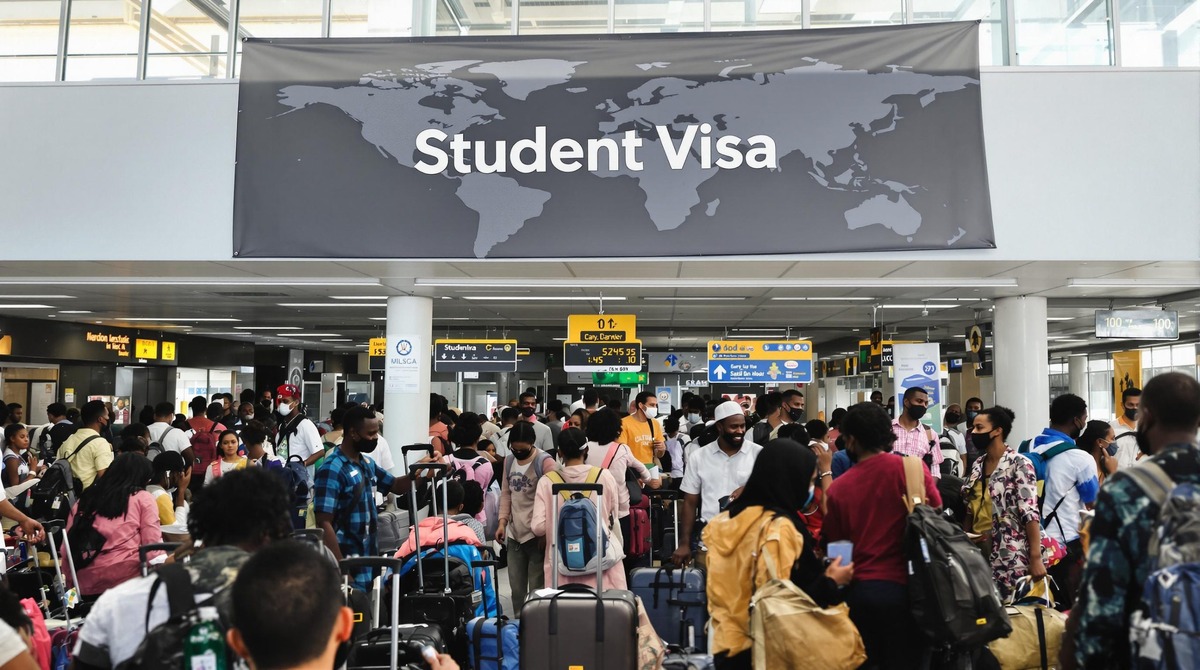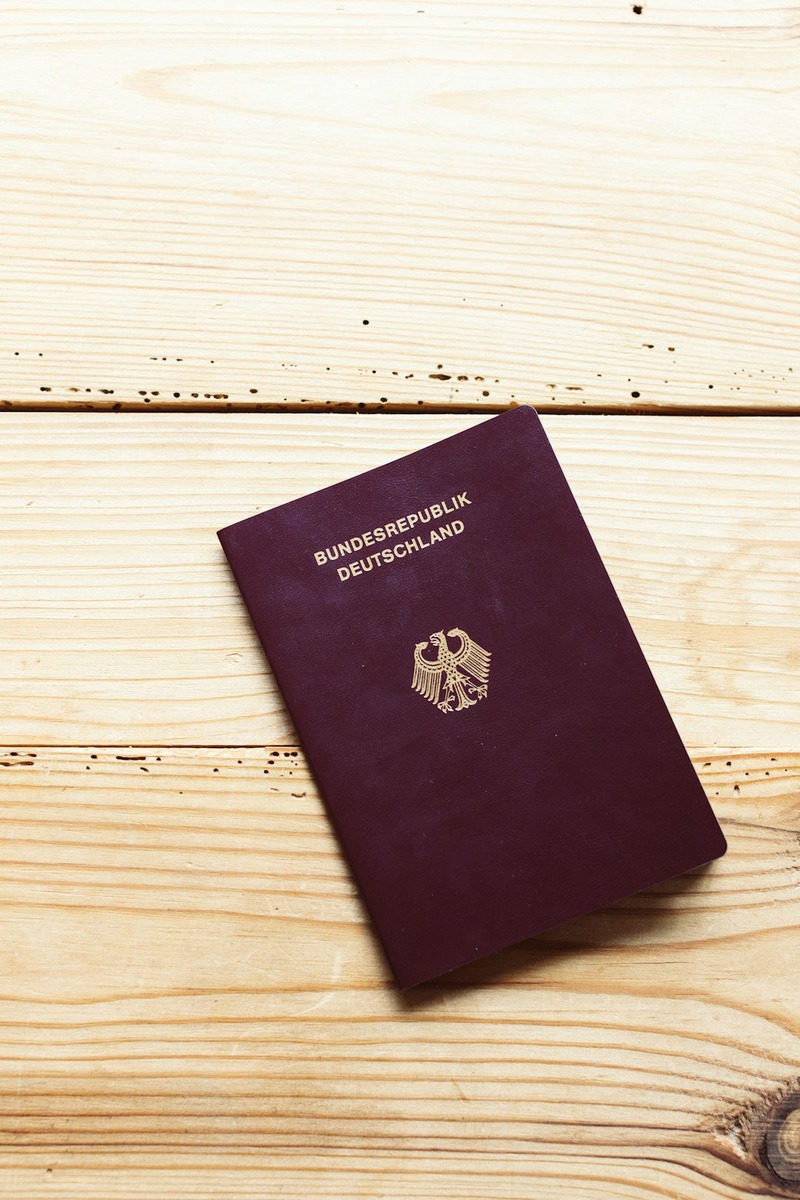
There is no reliable official ranking of European countries by how “easy” it is for Nigerians to obtain a student visa. Approval depends on the destination’s rules and the applicant’s admission, finances, documentation and circumstances. This guide therefore compares procedures and requirements rather than claiming a country has a guaranteed or unusually high approval rate.
Europe offers Nigerian students many study destinations, but “Europe” does not have one student-visa application. Each country makes the final decision on its own visas and residence permits, even where EU-wide rules provide a common framework.
For stays longer than 90 days, non-EU students normally follow the national immigration procedure of the country where they will study. Common requirements include admission to a recognised institution and sufficient resources, while individual countries can add requirements such as health insurance, language evidence or particular residence procedures.
EU reference: EU Immigration Portal.
What Nigerian Students Should Compare
- Admission: whether you have an offer from an institution recognised for the relevant immigration process.
- Financial evidence: the amount and acceptable form of proof required by that country.
- Health insurance: whether it is required before entry, for the visa, or for residence registration.
- Language requirements: immigration and university language requirements are not always the same.
- Who submits the application: in some systems the student applies directly; in others the institution has an important sponsor role.
- After arrival: some countries require a separate residence permit or local registration.
- Work rights: permitted working hours and conditions vary.
Germany: Student Visa Plus Residence Permit
For Germany, a Nigerian student normally applies for the student visa through the German mission responsible for the applicant’s place of residence. After entering Germany, the student must obtain a residence permit for study.
The core conditions include registration or an invitation to register at an educational institution and meeting the applicable residence requirements. Financial evidence and other supporting documents must be checked against the current German mission instructions for Nigeria.
Official overview: EU Immigration Portal — Student in Germany.
France: Long-Stay Student Visa
France requires eligible non-EU students to have an offer from an education or training institution and to demonstrate the required resources and other conditions. The EU Immigration Portal currently lists a minimum resource level of €615 per month and describes the relevant long-stay student visa as a VLS-TS.
Application and enrolment procedures can depend on the level and type of study, so Nigerian applicants should follow the current France-Visas/Campus France process applicable to their programme.
Official overview: EU Immigration Portal — Student in France.
Netherlands: The Institution Is the Recognised Sponsor
The Netherlands uses a distinctive process for higher-education students. For university or university-of-applied-sciences study, the educational institution must be recognised as a sponsor and submits the application for the provisional residence permit (MVV) and/or study residence permit to the Dutch Immigration and Naturalisation Service (IND).
This makes choosing an appropriately recognised institution especially important. Applicants must also meet the applicable financial and document requirements.
Official overview: EU Immigration Portal — Student in the Netherlands.
Italy: Visa Before Travel and Residence Permit After Arrival
Italy requires non-EU students to obtain a study visa before travel and then apply for a residence permit for study after entering Italy. The current EU Immigration Portal says the residence-permit application should be made within eight days of arrival.
Students must show admission, health insurance, accommodation and sufficient financial resources, including resources for return travel. The portal currently states that students may work up to 20 hours per week, with a maximum of 1,040 hours in 52 weeks.
Official overview: EU Immigration Portal — Student in Italy.
If Italy is your destination, also see AfricanBase’s International Student Insurance in Italy guide.
Spain: Admission and Student Stay Requirements
For Spain, students must be admitted to an officially recognised public or private higher-education institution and obtain the appropriate student visa and study-stay authorisation. Applicants outside Spain generally obtain the student visa through the Spanish embassy or consulate responsible for their place of residence.
Official overview: EU Immigration Portal — Student in Spain.
Ireland: A Separate National Student-Visa System
Ireland is an EU country but is not part of the Schengen Area and operates its own immigration arrangements. A student coming for three months or more who requires a visa generally needs a long-stay D study visa and must be enrolled in an eligible full-time course.
The EU Immigration Portal currently describes requirements including an acceptance letter, evidence of academic ability, payment of course fees, sufficient funds and private medical insurance. Because Ireland’s financial rules can be updated, verify the amount on the current Irish immigration site before applying.
Official overview: EU Immigration Portal — Student in Ireland.
What About Poland, Hungary, Sweden and Austria?
These are also established European study destinations, but they should not be described as “easy visa” countries without current, comparable official approval data. Their admission, financial, insurance, visa and residence requirements should be checked individually through the relevant national immigration authority, embassy and the EU Immigration Portal where applicable.
The previous version of this guide included unsupported visa-success percentages for some countries. Those figures have been removed because they did not establish a comparable, Nigeria-specific official approval rate.
A Schengen Visa Is Not the Same as a Long-Stay Student Visa
A common source of confusion is treating a Schengen short-stay visa as the standard route for a full university degree. The EU Immigration Portal distinguishes short stays of up to 90 days in a 180-day period from immigration routes for study lasting longer than 90 days. Long-term students normally follow the destination country’s national student-visa/residence procedure.
For insurance connected with Schengen applications, see AfricanBase’s Schengen student visa health-insurance guide.
Step-by-Step Preparation for Nigerian Applicants
- Choose the programme before the visa. Confirm that the institution and programme satisfy the destination country’s student-immigration rules.
- Read the national immigration checklist. Use the embassy/consulate or immigration authority responsible for Nigeria.
- Calculate the real financial requirement. Include tuition, required living funds, insurance, visa/residence fees and accommodation.
- Prepare authentic supporting evidence. Make sure names, dates, academic history and financial information are consistent.
- Check translation/legalisation requirements. Some countries require foreign documents to be translated, authenticated or legalised.
- Apply within the permitted window. Do not rely on another country’s processing timeline.
- Prepare for post-arrival registration. A visa may only be the first step; a residence permit or local registration can still be required.
Common Mistakes to Avoid
- Choosing a country mainly because a blog calls its visa “easy.”
- Using another European country’s financial requirement as your own.
- Confusing university admission with immigration approval.
- Using a short-stay Schengen visa guide for a long degree programme.
- Submitting inconsistent or unverifiable financial documents.
- Ignoring health-insurance or post-arrival residence requirements.
- Buying non-refundable travel before you understand the visa authority’s instructions.
AfricanBase’s common student visa mistakes guide covers these application risks in more detail.
Frequently Asked Questions
Which European country has the easiest student visa for Nigerians?
There is no reliable official Europe-wide ranking that establishes an “easiest” country for Nigerian applicants. Compare the actual requirements for your circumstances instead: admission, financial evidence, insurance, documentation, application procedure and post-arrival obligations.
Can one European student visa let me study anywhere in Europe?
No. Long-term study immigration is tied to the relevant country and programme. There are specific intra-EU mobility provisions for some students and programmes, but a residence permit from one country is not a general licence to begin a different degree anywhere in Europe.
Do European student visas require proof of funds?
Financial resources are a common requirement, but the amount and acceptable evidence differ by country. Check the current national rules for your destination.
Can international students work while studying in Europe?
Many European countries allow some student work, but the hours and conditions vary. For example, Italy’s current rules allow up to 20 hours per week within the stated annual limit. Verify your destination’s rules before taking employment.
Related AfricanBase Guides
- Student Visa Guide for Nigerians
- Common Student Visa Application Mistakes
- Pre-Departure Guide for Nigerian Students
- Schengen Student Visa Health Insurance
- International Student Insurance in Italy
Final Note
Choose a European study destination because its programme, total cost and immigration requirements fit your circumstances—not because it appears on an “easy visa” list. Use official national immigration guidance for the final application and treat approval as an individual decision rather than something any country or adviser can guarantee.